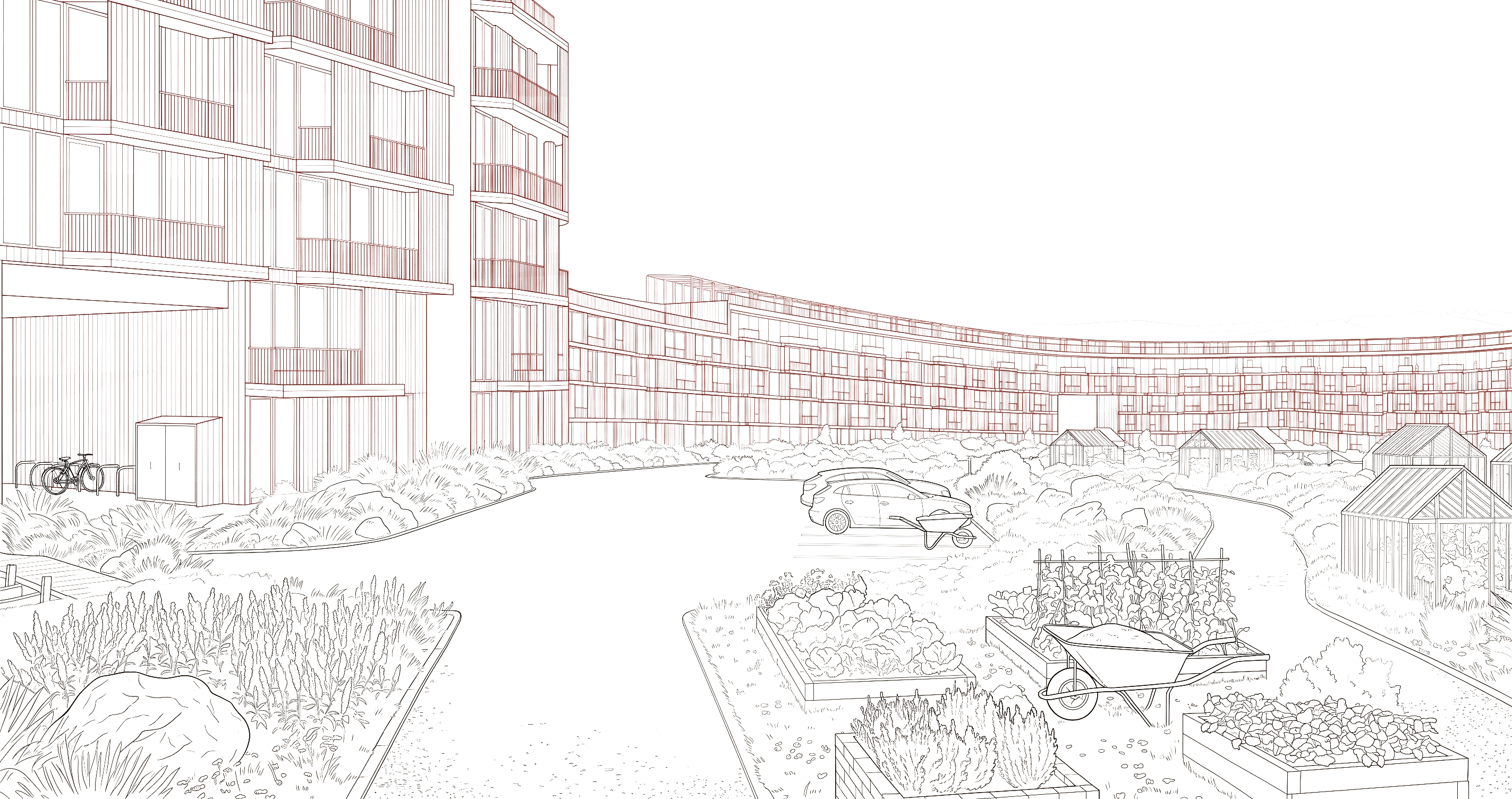
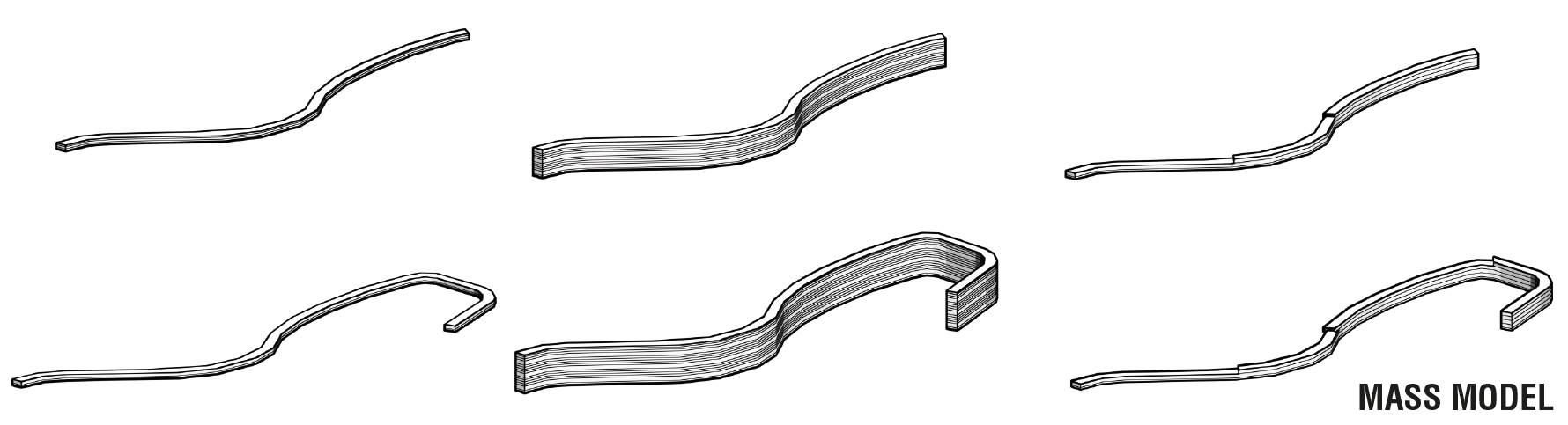
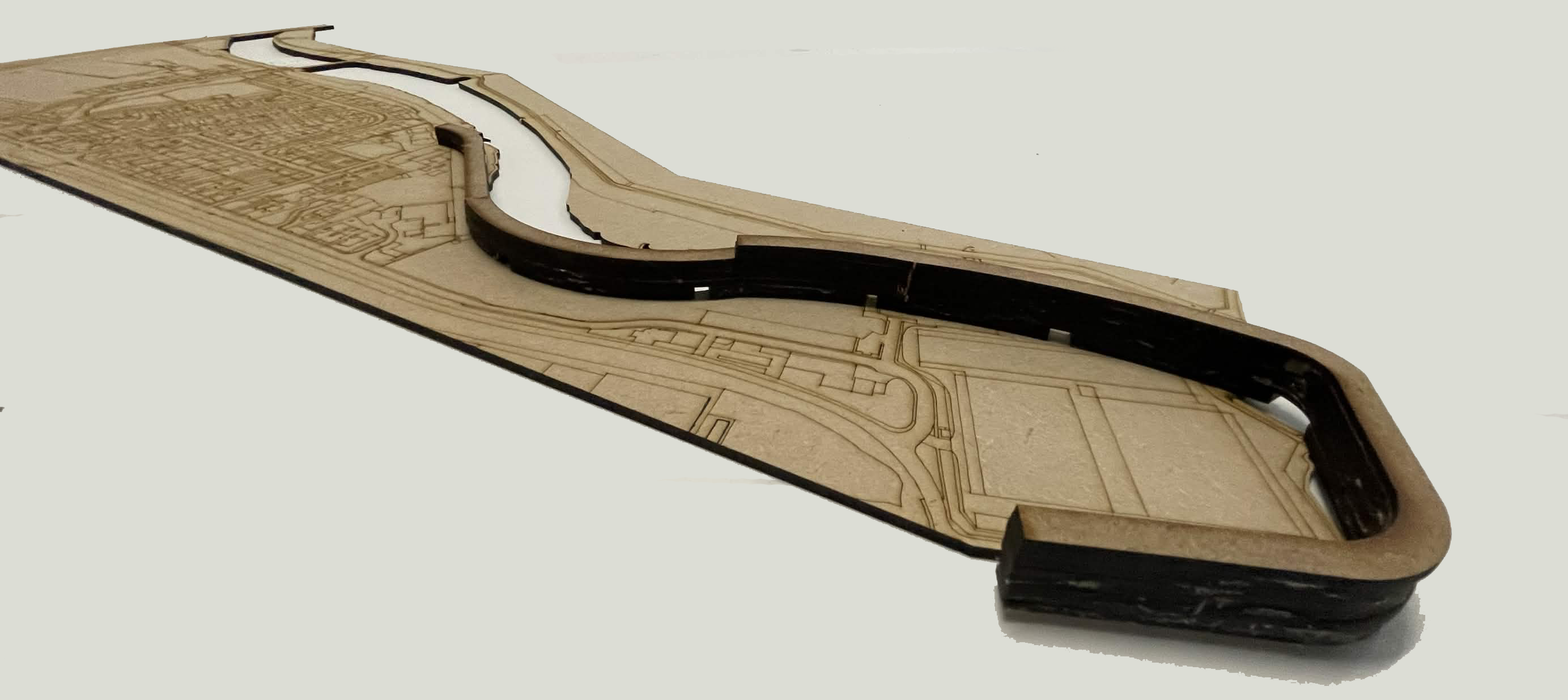
This master’s thesis presents a comprehensive architectural and urban study designed as a direct response to the profound socio-economic and political crisis confronting the city. Historically driven by an industrial monoculture, the city suffered a severe decline following the closure of major enterprises and factories that previously provided stability and employment for thousands of workers. Consequently, this shift triggered progressive economic degradation and rapid depopulation. This project redefines traditional spatial planning by treating architecture as an active tool for the political and economic transformation of the urban fabric.
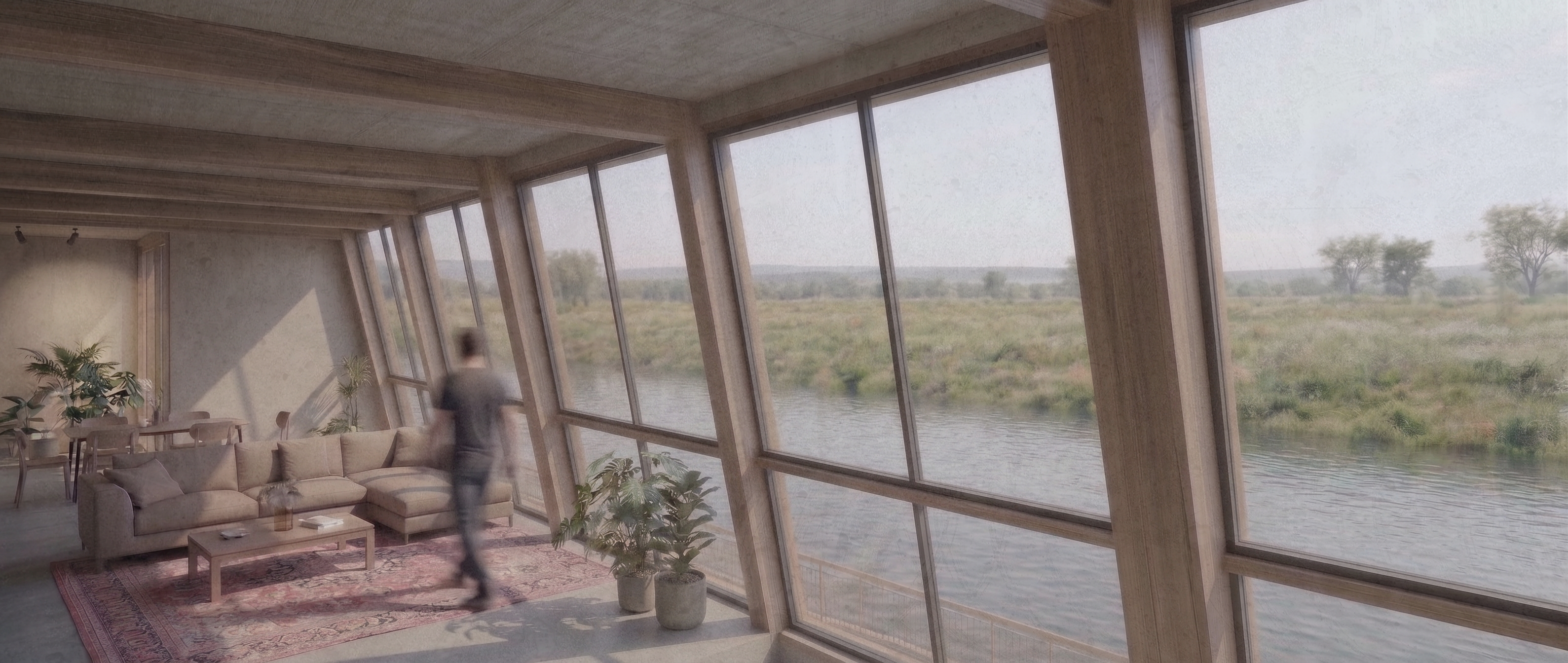
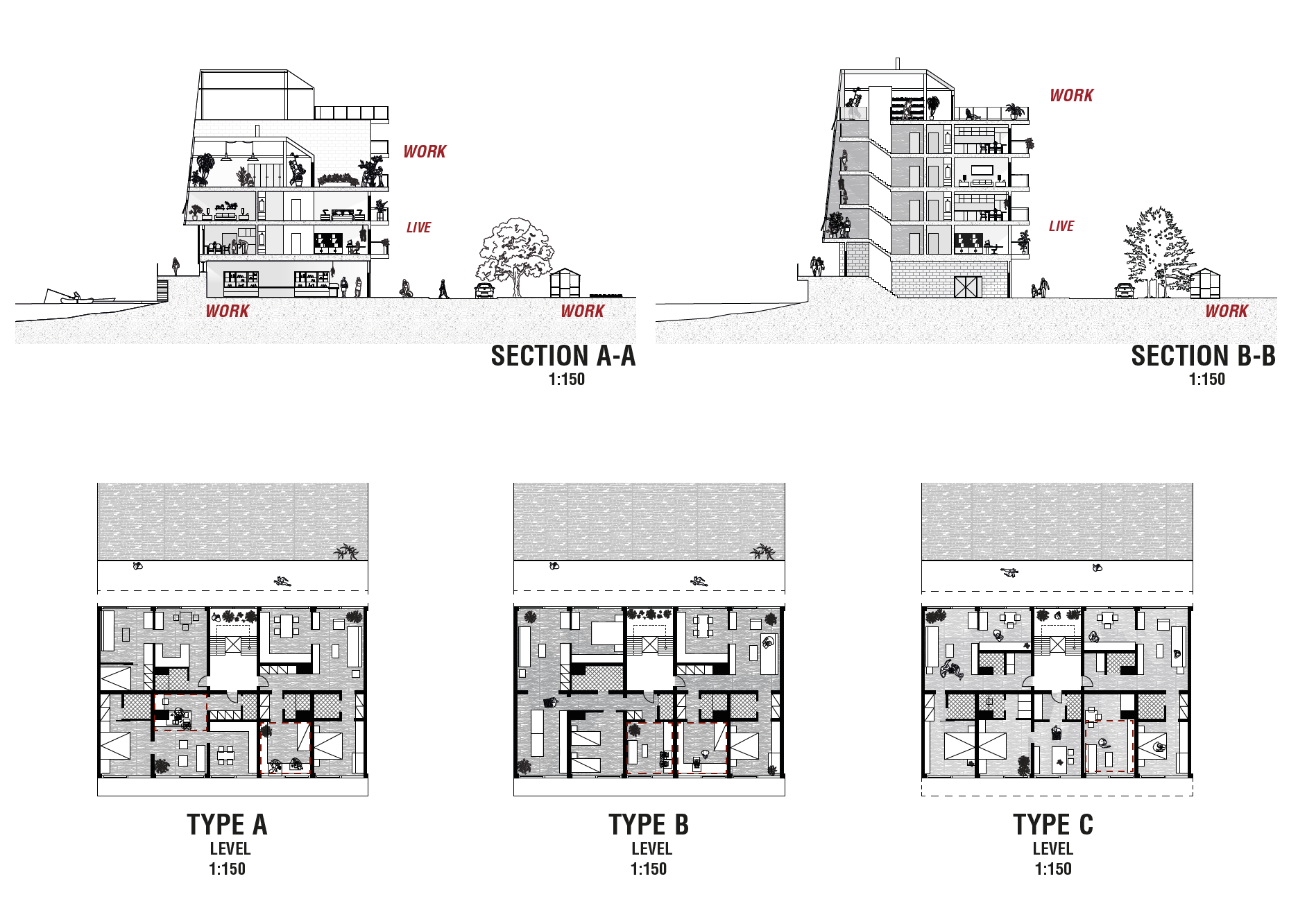
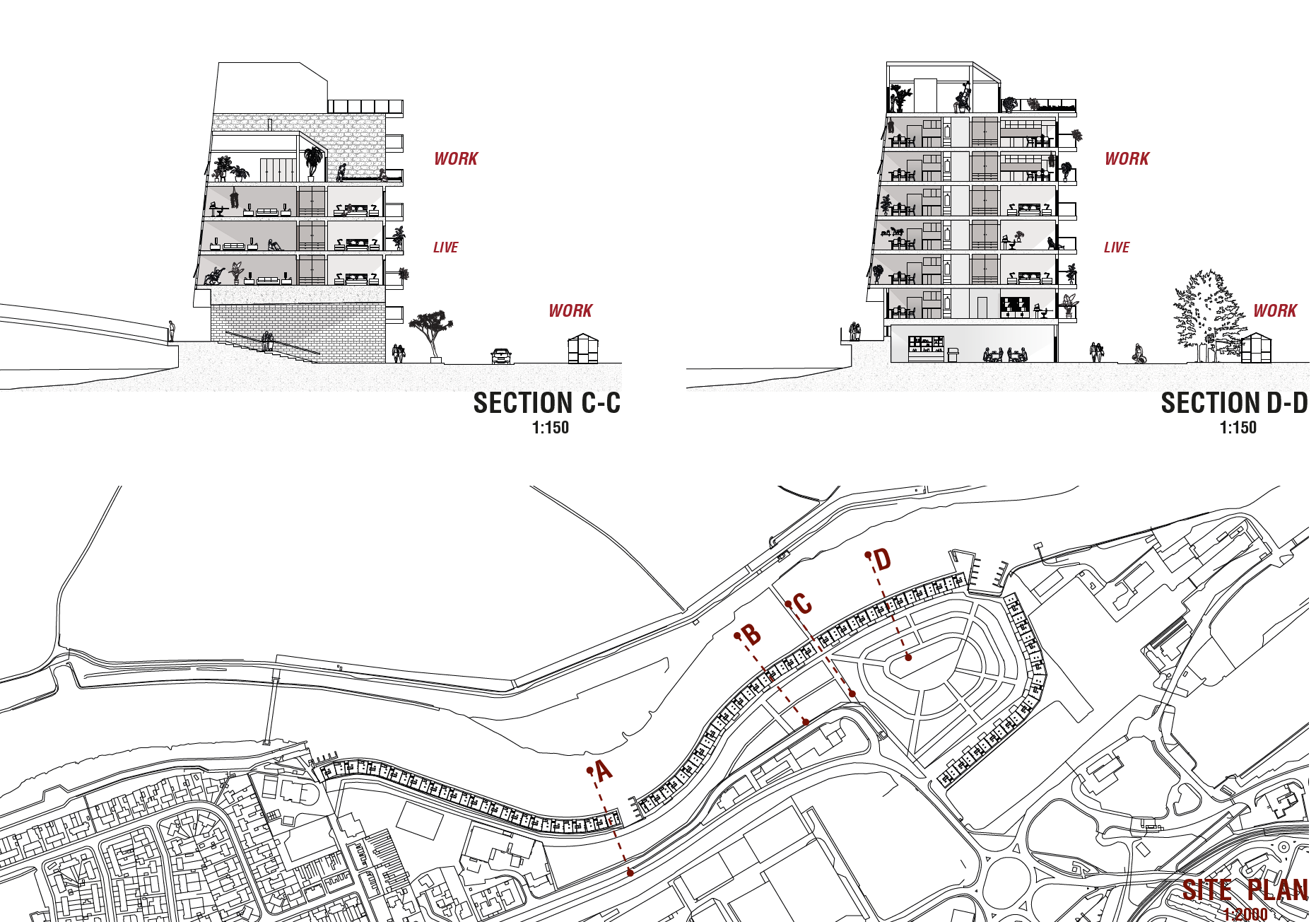
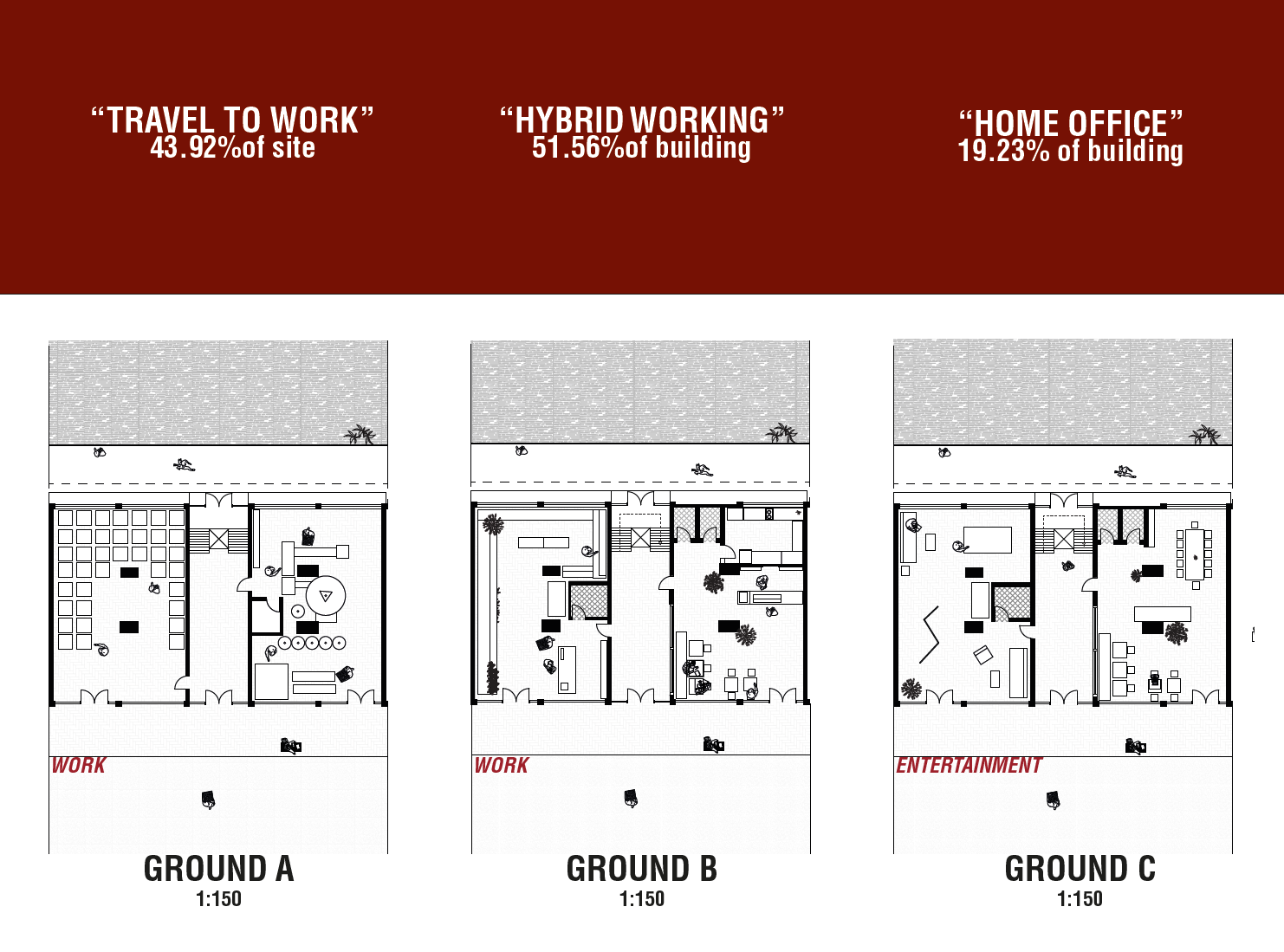
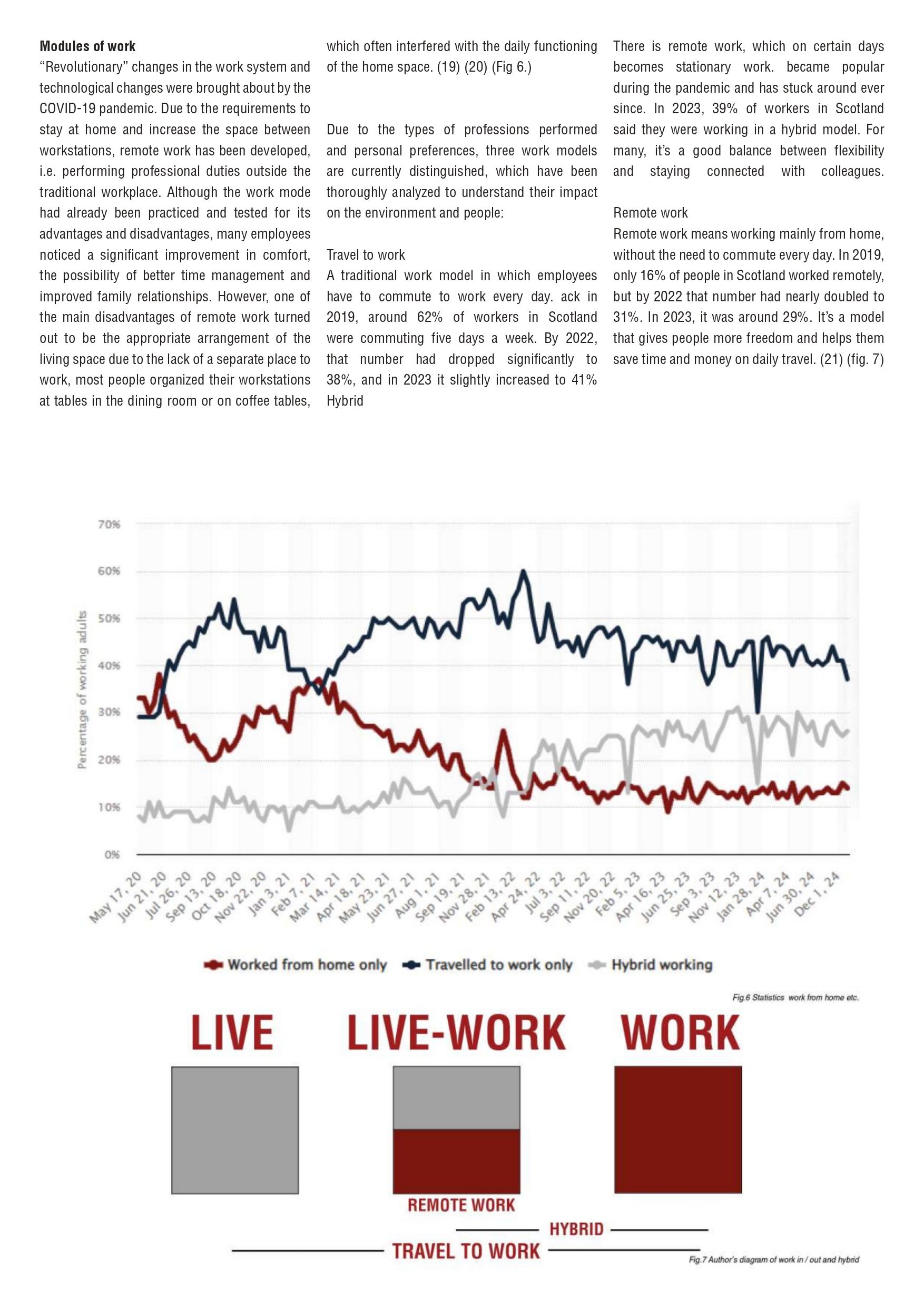
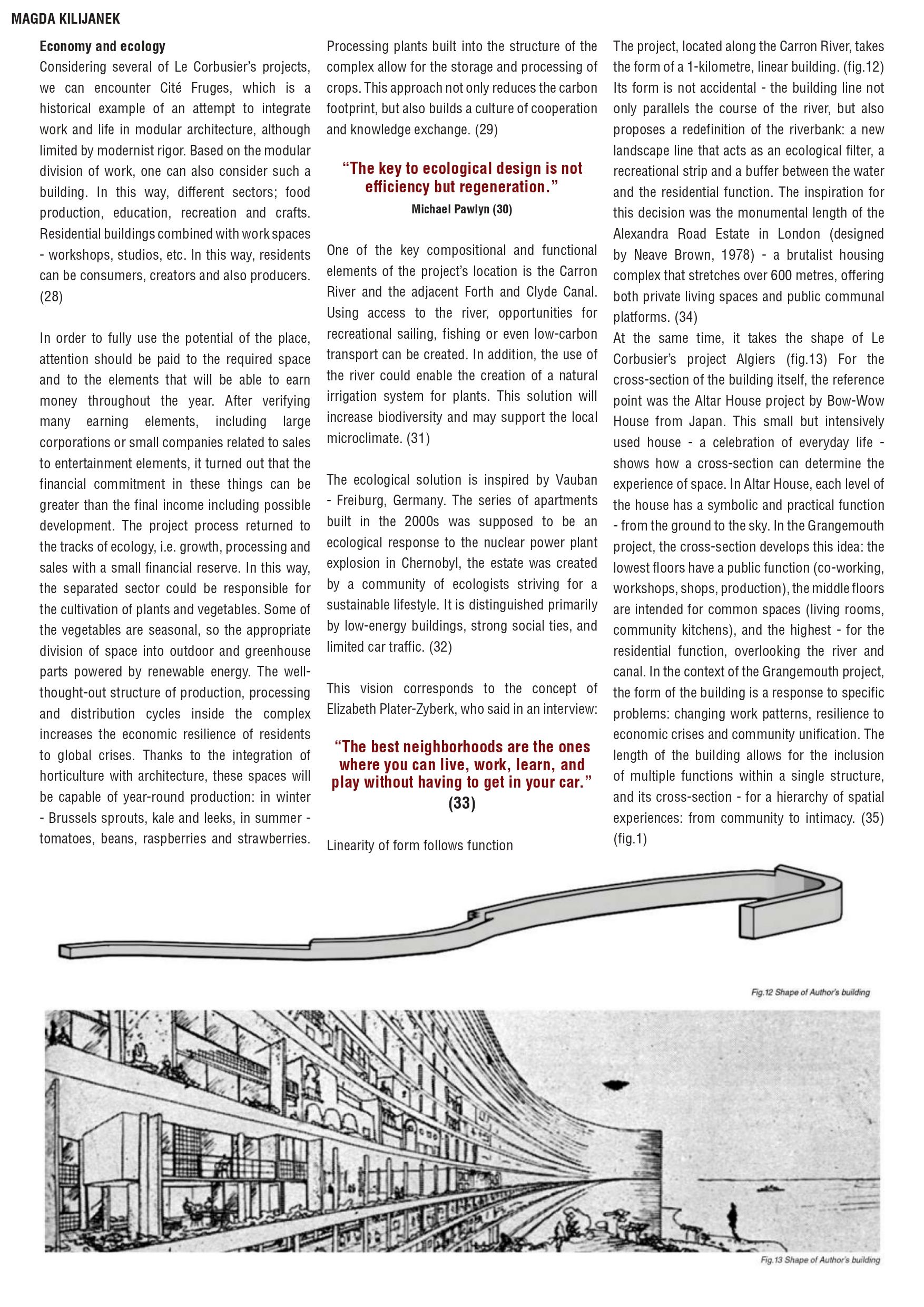
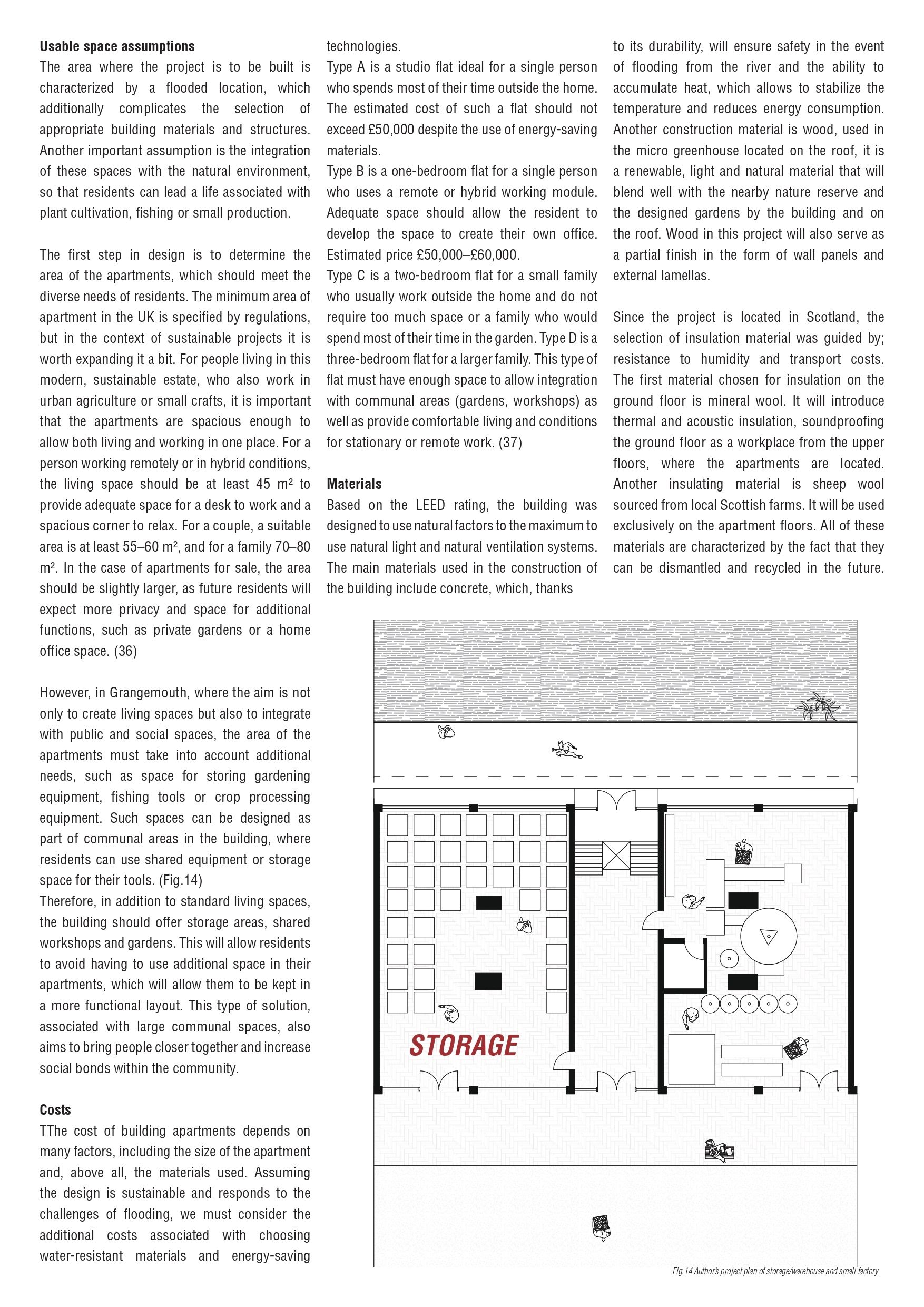
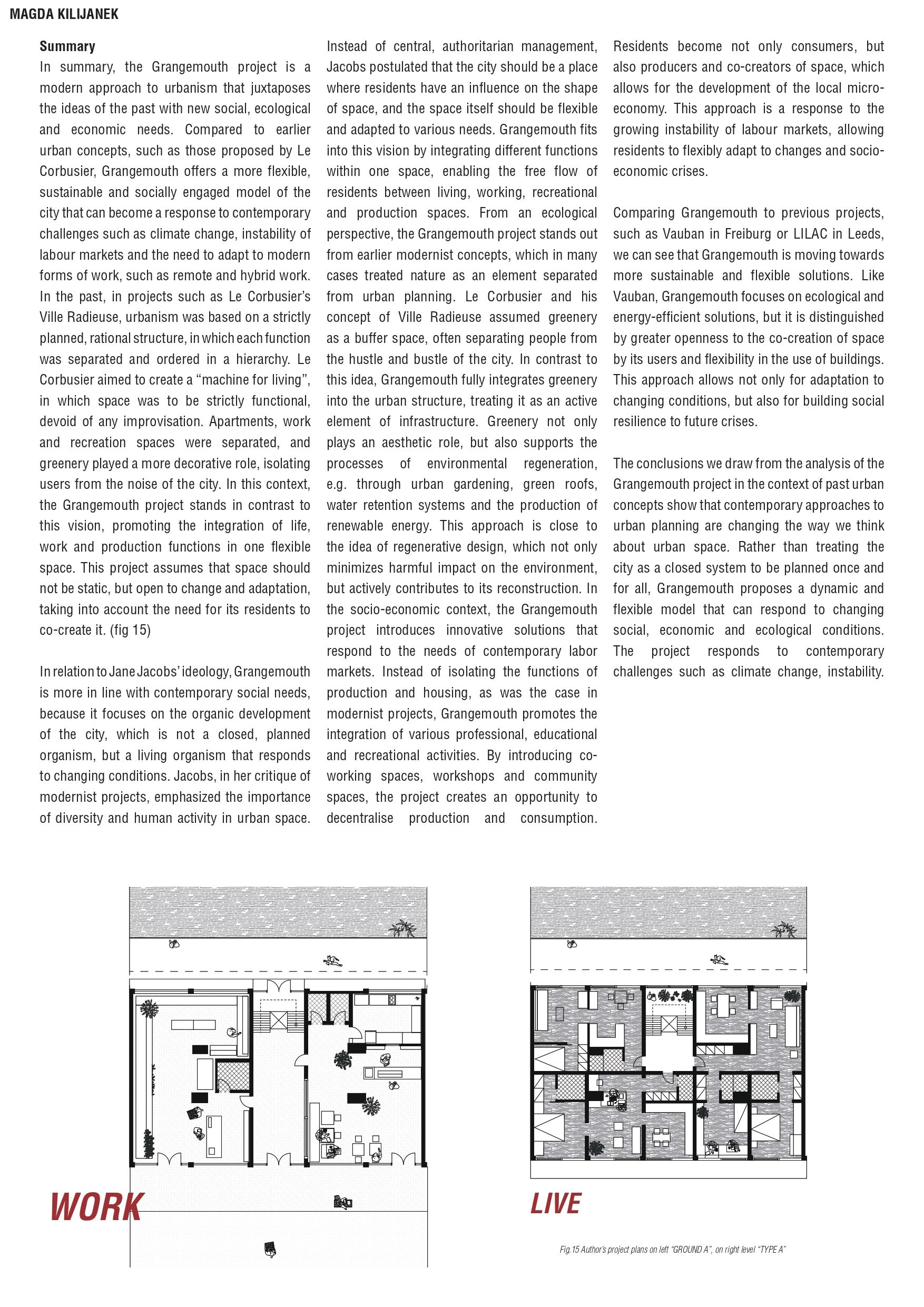
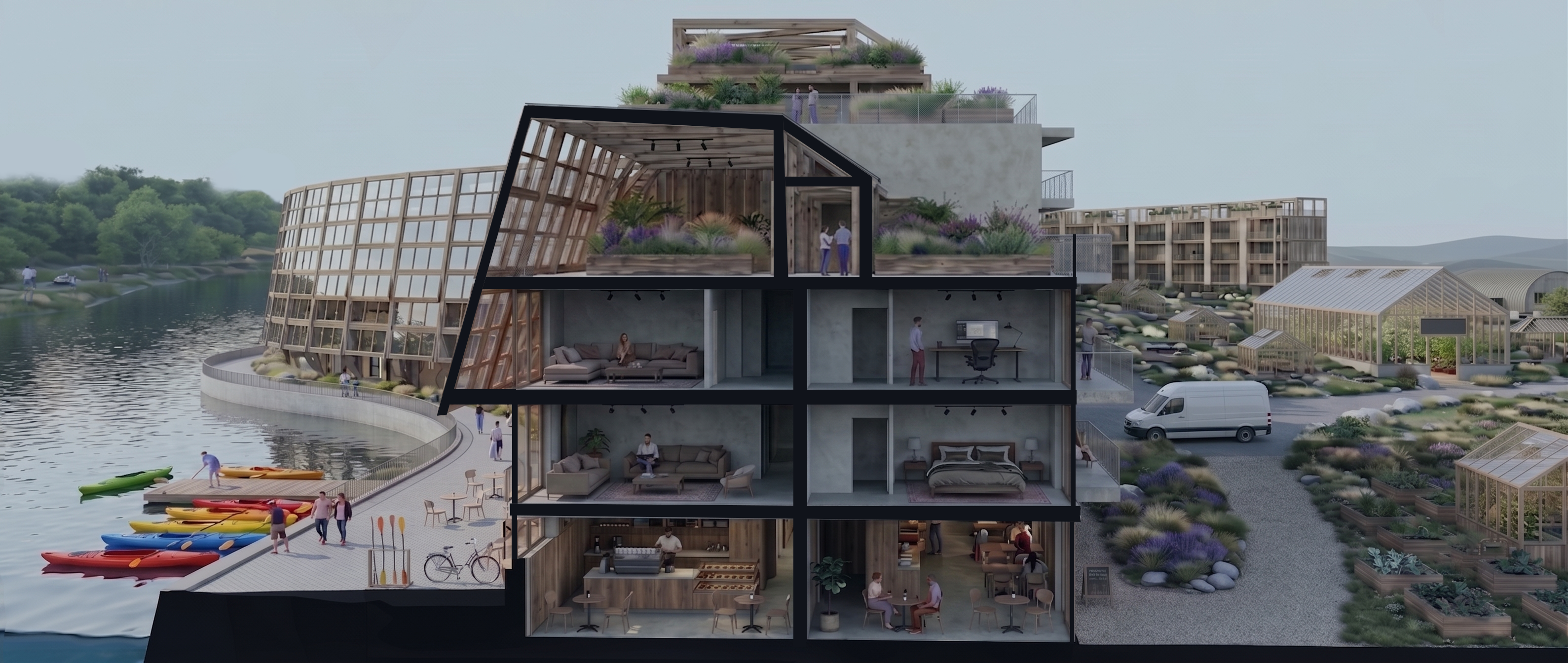
By introducing the original 'Live-Work-Grow' model, the thesis proposes a self-sustaining, crisis-resilient ecosystem. The designed building does not merely serve an aesthetic or utilitarian purpose; it functions as a catalyst for systemic change. It integrates residential, professional (responding to the rise of hybrid working models), and modern micro-production spheres within a single structure. In doing so, the project aims to reverse negative migration trends and combat depopulation, offering a new economic and spatial identity for a community deeply affected by isolation and industrial decline.
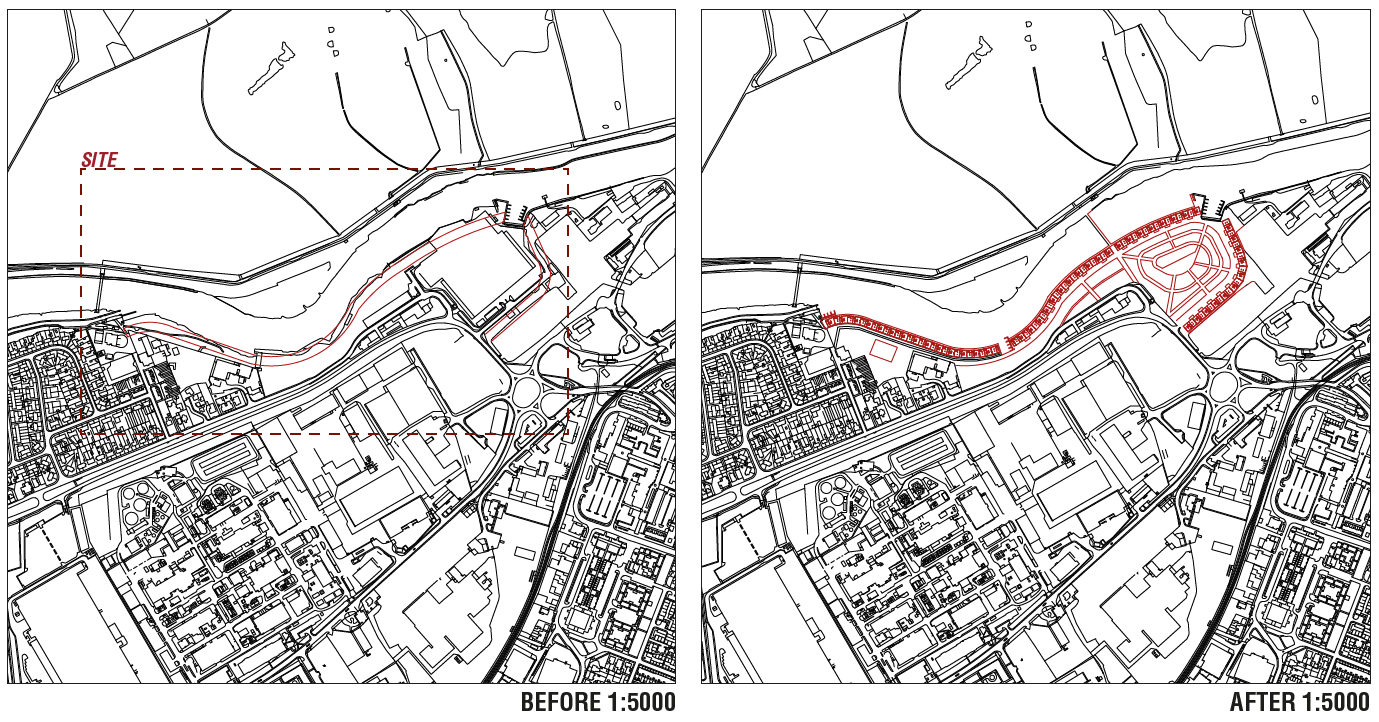
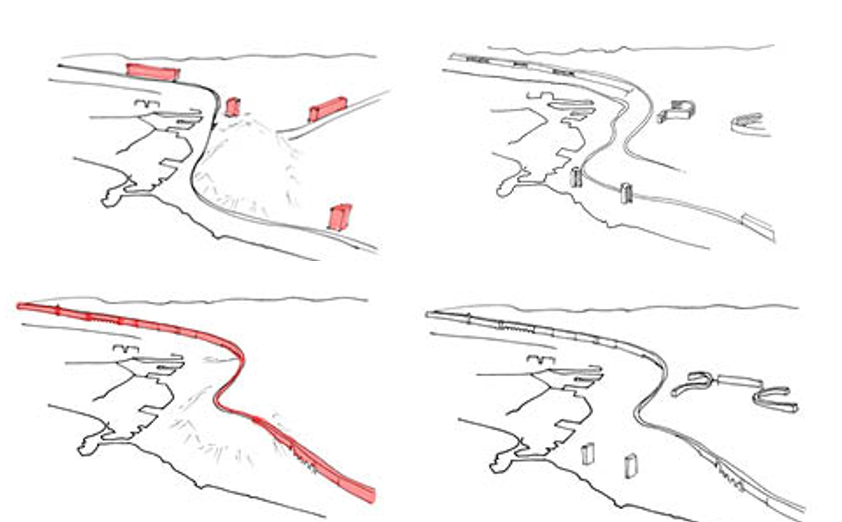
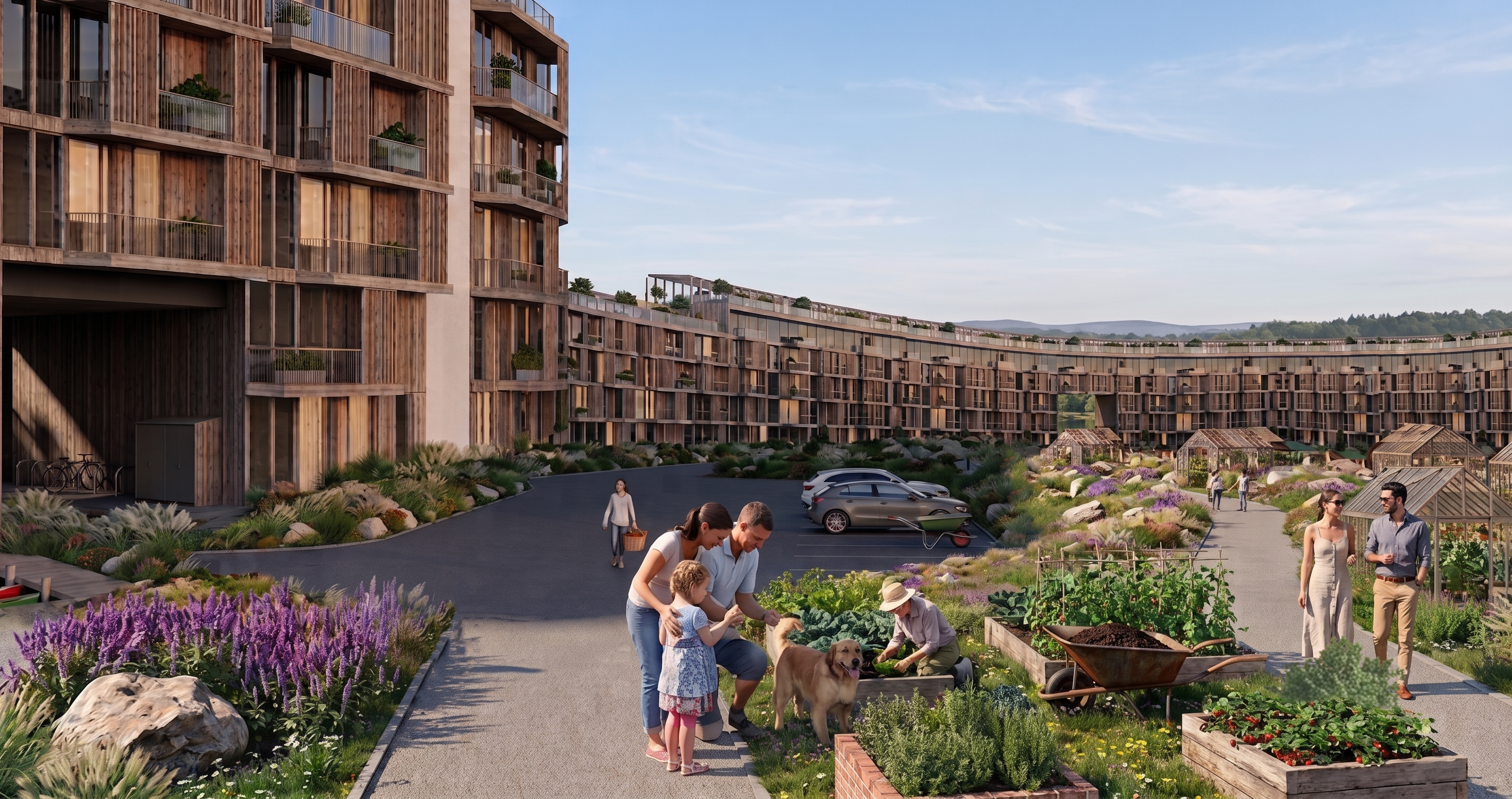
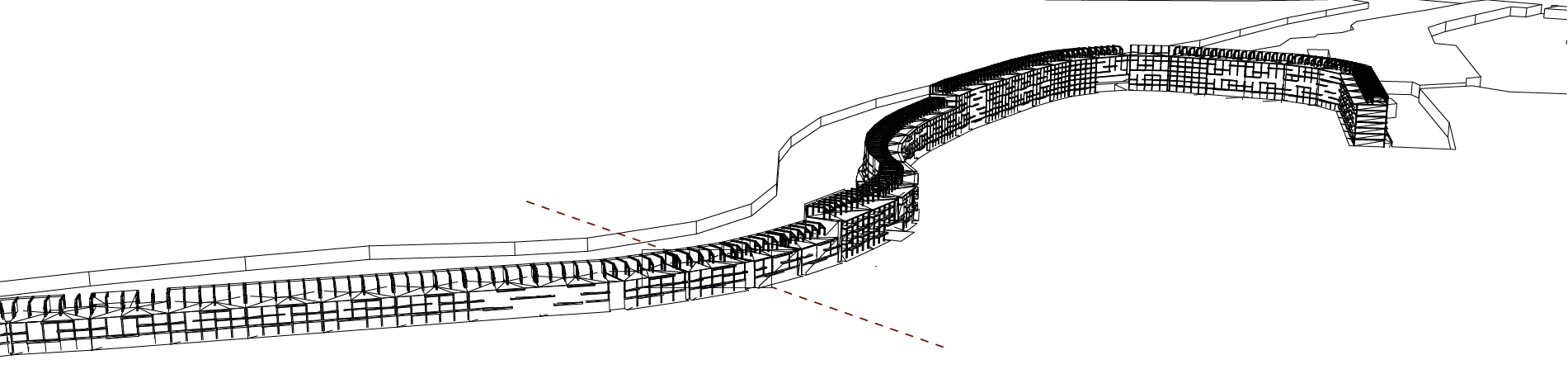
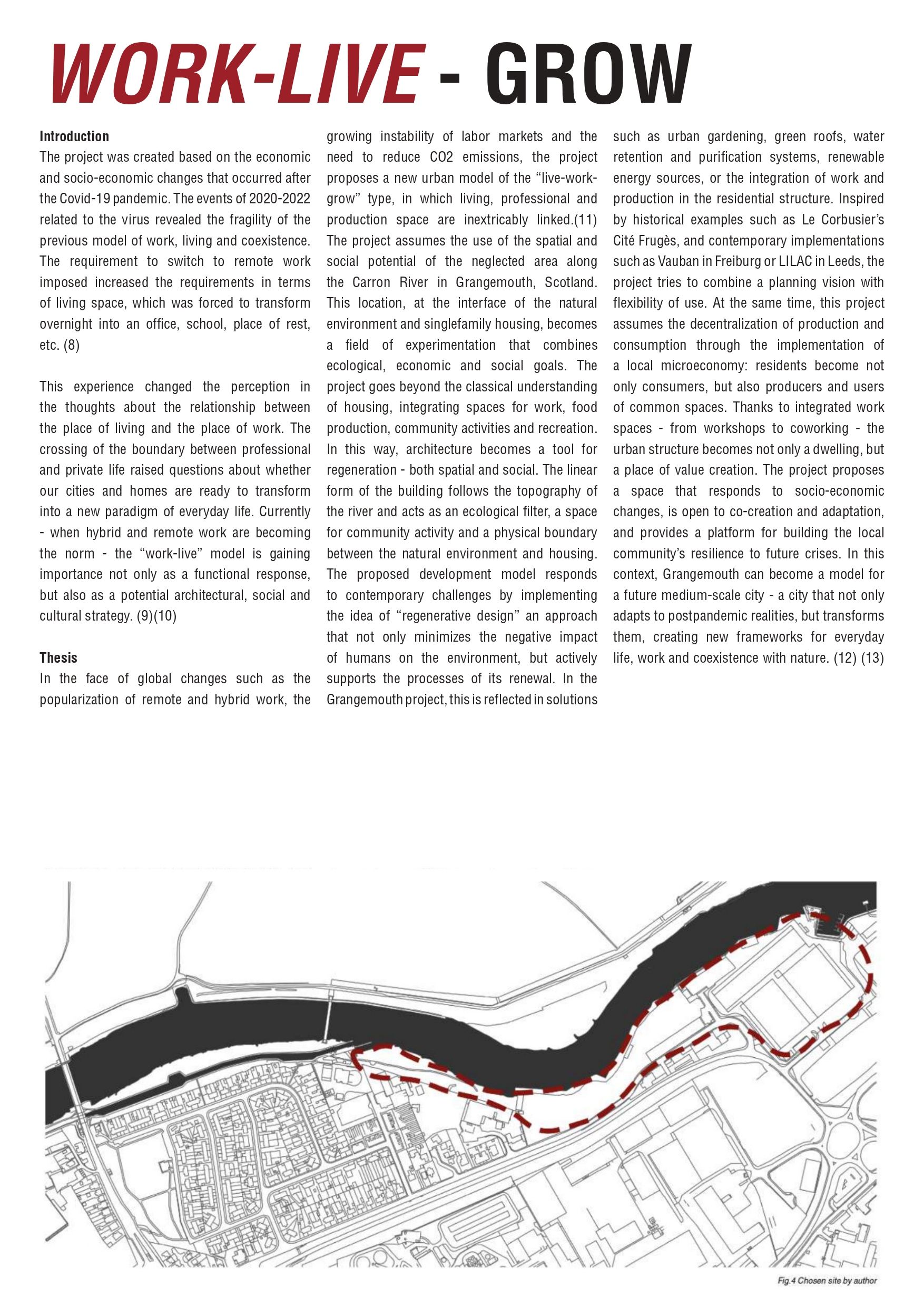
At an urban scale, the intervention along the Carron River front in Grangemouth acts as a multi-layered regenerative engine. It bridges essential ecological resilience (water retention, green infrastructure) with the creation of a stable, bottom-up local micro-economy inspired by the theories of Jane Jacobs. This project demonstrates that modern, socially engaged architecture possesses political agency, capable of effectively addressing structural industrial collapse and reviving the urban fabric in a sustainable, flexible, and visionary manner.